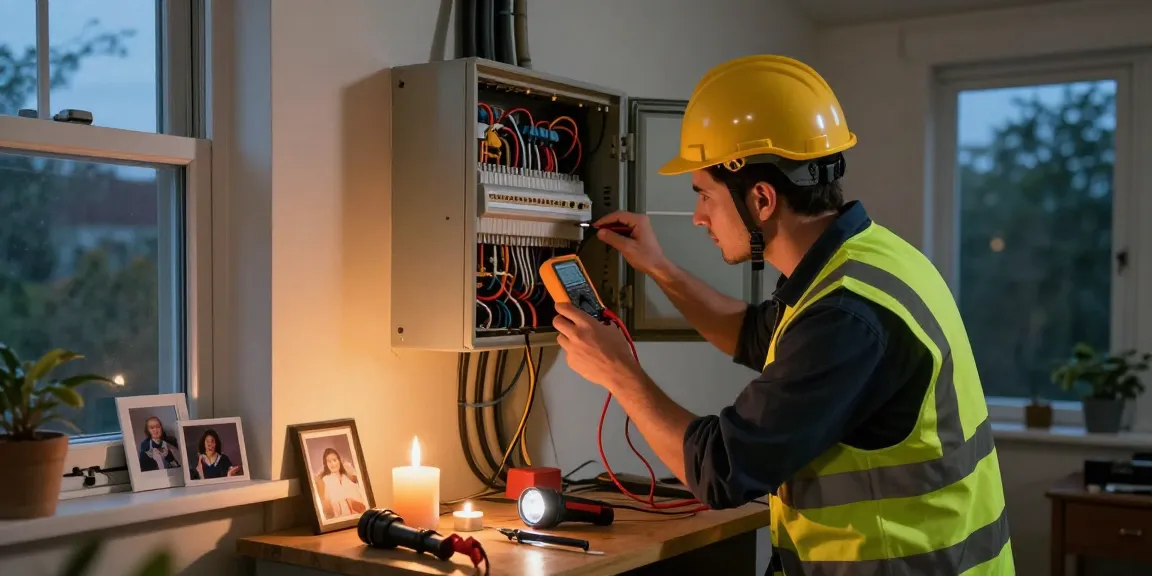
Understanding Emergency Electrical Services
When electrical issues arise unexpectedly, they can disrupt daily routines and pose serious safety hazards. That’s where emergency electrical services come into play. These essential services provide immediate assistance for any urgent electrical problems, ensuring that homes and businesses can get back to normal as quickly as possible. This article will explore the scope, significance, challenges, preventative measures, and advancements within the emergency electrical services industry.
What Are Emergency Electrical Services?
Emergency electrical services encompass a broad range of urgent repairs and interventions aimed at resolving sudden electrical failures or hazards. These services are typically available 24/7, offering rapid response to situations that could potentially lead to significant damage or personal injury. Whether it’s a power outage, a short circuit, or exposed wiring, emergency electricians are trained to handle these critical situations with expertise and speed.
The Importance of Immediate Response
Electrical emergencies can escalate quickly, leading to fire hazards, equipment damage, or serious injury. An immediate response can prevent these consequences and minimize risks. Studies reveal that rapid interventions not only save lives but also significantly reduce repair costs in the long run. Having access to reliable emergency electrical services ensures peace of mind for homeowners and business owners alike.
Common Situations Requiring Emergency Services
- Power Outages: Sudden loss of power can disrupt operations and affect safety systems.
- Electrical Fires: Sparks, unusual odors, or smoke are signs that immediate assistance is needed.
- Short Circuits: Repeatedly blown fuses or tripped circuit breakers indicate underlying issues requiring urgent attention.
- Downed Power Lines: This presents a severe risk, necessitating immediate notification and professional handling.
- Faulty Wiring: Exposed or deteriorating wiring can lead to shocks or fires, demanding prompt repair.
Key Challenges in Emergency Electrical Situations
Identifying Electrical Hazards
Identifying the root cause of electrical problems can be challenging. Common hazards like frayed wires, overloaded circuits, and malfunctioning outlets often require professional assessment. Homeowners sometimes overlook these signs until they develop into emergencies. Understanding common electrical hazards is crucial for timely intervention and risk reduction.
Ensuring Safety During Outages
During a power outage, especially in extreme weather conditions, ensuring safety is paramount. Homeowners must be prepared with flashlights, non-perishable food items, and backup power solutions. Moreover, knowing how to safely use generators—if available—can prevent carbon monoxide poisoning and electrical overload.
Common Misconceptions About DIY Repairs
Many homeowners attempt DIY repairs, believing they can save money or time. However, electrical work can be extremely dangerous without the proper knowledge and tools. Misconceptions about the simplicity of electrical repairs can lead to serious accidents or further complications. It is advisable to seek professional help for any significant electrical issues.
Best Practices for Homeowners
Preparing for Electrical Emergencies
Preparation can significantly mitigate the impact of electrical emergencies. Homeowners should regularly inspect their electrical systems and ensure smoke detectors are functional. Creating an emergency plan that includes contact information for local electricians can streamline the response process.
Signs You Need Emergency Electrical Services
Recognizing the signs that you need emergency electrical services can be lifesaving. Look for flickering lights, buzzing sounds from outlets, or frequent blown fuses. Any unusual behavior from electrical systems should prompt an immediate call to a professional.
Preventative Measures to Avoid Emergencies
Preventing emergencies largely hinges on regular maintenance and upgrades. Consider installing surge protectors, regularly testing GFCI outlets, and ensuring there are no overloaded circuits. Investing in routine professional inspections can help catch potential issues before they escalate.
Technological Advancements Shaping the Industry
Smart Home Energy Management Systems
As technology evolves, so too do the tools available to homeowners. Smart home systems allow users to monitor their electrical usage and identify patterns that may indicate potential hazards. These technologies can send alerts when anomalies are detected, facilitating a proactive approach to emergency management.
Innovations in Electric Vehicle Charging Stations
The increasing prevalence of electric vehicles (EVs) necessitates robust charging infrastructure. Innovations in EV charging stations not only enhance convenience but also integrate safety features that protect both the vehicle and household electrical systems from surges and faults.
The Role of Renewable Energy in Emergency Situations
With the rise of renewable energy sources, homeowners are exploring solar power systems. In emergencies, solar setups can provide critical backup energy. Understanding how to utilize these systems during outages can be a game changer for energy security.
Expert Insights and Future Outlook
What to Expect in Emergency Electrical Services by 2026
As the landscape of electrical services evolves, we can expect to see increased reliance on technology. By 2026, the integration of artificial intelligence in diagnosing electrical issues may become commonplace, enhancing the speed and accuracy of emergency response.
Case Studies of Successful Emergency Interventions
Examining real-life scenarios can illuminate the effectiveness of professional emergency electrical services. For instance, a recent case involved a commercial building facing a severe electrical fire due to wiring issues. Rapid intervention by emergency electricians not only contained the fire but also mitigated substantial property damage.
Frequently Asked Questions on Emergency Procedures
- What are the most common causes of electrical emergencies? Electrical emergencies can arise from outdated wiring, overloaded circuits, and faulty appliances.
- How can I prepare my home for electrical outages? Prepare an emergency kit, have backup power solutions and create an emergency plan.
- When should I call emergency electrical services? If you notice unusual electrical behavior such as flickering lights or burning smells, contact professionals immediately.
- What certifications should emergency electricians have? Look for electricians with necessary licenses and certifications, indicating they have completed required training.
- How can technology improve emergency electrical services? Technology can streamline diagnostics and provide real-time alerts, enhancing the overall response to emergencies.