Understanding Gas Generators
As the demand for efficient and sustainable energy solutions grows, understanding the role of gas generators becomes ever more critical. These devices convert fuel into electrical energy with a focus on performance and efficiency, and they have evolved significantly in recent years. This article aims to delve into gas generators, their various applications, and future trends that ensure they remain relevant in the energy landscape.
What is a Gas Generator?
A gas generator is a type of generator that runs on gaseous fuel. These fuels can include natural gas, propane, or biogas, making them a versatile option for various applications. They provide power for both residential and commercial uses, offering a cleaner alternative to traditional diesel generators. More specifically, gas generators are renowned for their lower emissions and operational flexibility, often making them a preferred choice in settings where environmental regulations are stringent.
How Gas Generators Work
The operation of a gas generator involves a simple yet effective process. Gaseous fuel is combusted within an engine, which drives a rotor connected to a generator, converting mechanical energy into electrical energy. The efficiency of this process often hinges on the type of fuel used and the engine design. Recent innovations have introduced advanced technologies that optimize fuel combustion, resulting in improved energy production and reduced emissions.
Different Types of Gas Generators
- Portable Gas Generators: Ideal for outdoor events and emergency backup, these generators are compact and easy to transport.
- Standby Generators: These are permanently installed and automatically engage during power outages, providing seamless power to homes or businesses.
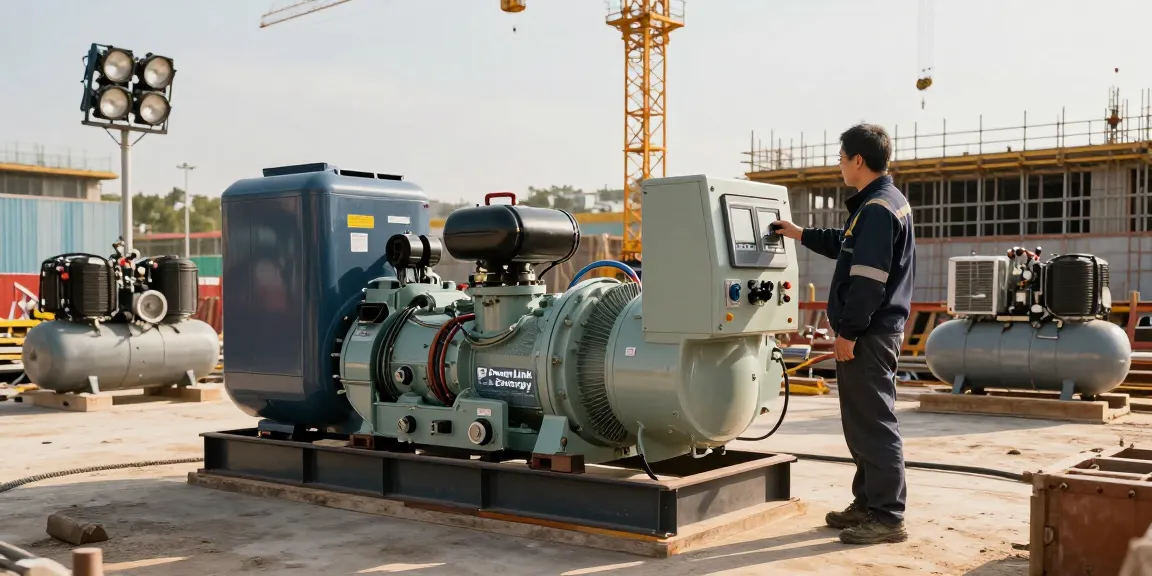
- Industrial Gas Generators: Designed for larger applications, these generators can deliver substantial power outputs, often used in manufacturing and large-scale operations.
- Cogeneration Systems: These systems utilize gas generators to produce both electricity and useful heat, maximizing energy efficiency in industrial settings.
Advantages of Gas Generators
When exploring options, gas generator provide several advantages that make them appealing to a wide range of industries. Their benefits include operational efficiency, lower emissions, and adaptability to various fuel types.
Cost-Effectiveness in 2026
In the current economic climate, cost-effectiveness is a primary consideration for many organizations. Gas generators tend to have lower fuel costs compared to diesel counterparts due to the abundant availability of natural gas. Additionally, maintenance costs are often reduced, leading to lower total ownership costs. This factor is especially significant in industries where energy expenditure represents a substantial portion of operational budgets.
Environmental Impact and Regulations
With growing concerns regarding climate change and air quality, gas generators have emerged as a more environmentally friendly option than diesel generators. These generators produce fewer greenhouse gases and comply with stringent emissions regulations, making them suitable for urban settings where air pollution is a significant concern. Incorporating renewable gas sources, such as biogas, further enhances their sustainability profile.
Operational Efficiency Compared to Diesel
The efficiency of gas generators is increasingly recognized as a significant advantage. They typically feature higher thermal efficiency ratings when compared to diesel generators, meaning they convert a larger portion of fuel energy into usable power. This characteristic is particularly critical in applications where efficiency and operational uptime are paramount, such as hospitals and data centers.
Applications of Gas Generators
Gas generators are versatile and find applications in various sectors, from residential to industrial. Their adaptability to different fuels and ease of use make them suitable for a plethora of environments.
Industrial Uses and Innovations
In industrial settings, gas generators are used for uninterrupted power supply and to enhance energy resilience. Industries such as manufacturing, chemical processing, and even data management rely heavily on these generators to maintain operations without interruption. Cutting-edge innovations in gas generator technology also contribute to improved performance, such as energy management systems that optimize load management and energy distribution.
Commercial vs Residential Applications
Gas generators are valuable in both residential and commercial contexts. In commercial applications, they are often utilized as backup power sources for critical infrastructure, ensuring that businesses can maintain operations during power outages. In residential settings, they provide homeowners with the peace of mind that comes from having reliable backup power for essential appliances and systems.
Use in Hybrid Energy Systems
Hybrid energy systems, which combine renewable energy sources with traditional ones, often incorporate gas generators to enhance reliability. For example, a solar panel setup can be complemented by a gas generator to ensure energy supply when solar production is low. This integration allows for a more balanced and reliable energy supply while reducing reliance on fossil fuels.
Choosing the Right Gas Generator
Selecting the appropriate gas generator for your needs involves thorough consideration of several factors regarding power requirements, site conditions, and fuel availability.
Key Features to Consider
- Power Output: Ensure the generator meets your wattage needs, with options typically ranging from 20 to 2300 kWe.
- Fuel Type Compatibility: Consider the fuel types available in your area—natural gas, propane, or biogas.
- Portability: Depending on your application, you may require a portable generator for ease of transportation.
- Noise Levels: For residential use or in noise-sensitive areas, look for generators with low noise emissions.
Common Challenges and Solutions
While gas generators offer numerous advantages, they are not without challenges. Issues such as fuel supply disruptions, regulatory compliance, and maintenance needs can arise. To address these, it is crucial to establish reliable fuel contracts, stay informed about local regulations, and schedule regular maintenance checks to ensure optimal performance.
Expert Recommendations
Consulting with energy experts or professionals knowledgeable about gas generators will provide invaluable insights. They can guide you through the selection process, helping you choose a generator that aligns with your specific needs and environmental considerations, ensuring you maximize your investment.
Future Trends in Gas Generators
The landscape of gas generators is set to evolve with advancements in technology and increasing pressure for sustainability. Understanding these trends will equip users with the knowledge to make informed decisions moving forward.
Emerging Technologies in 2026
Technological advancements are pushing the boundaries of what gas generators can achieve. Features like smart monitoring systems that provide real-time data on generator performance and fuel consumption are becoming standard. These innovations enable operators to optimize performance and identify potential issues before they escalate.
Impact of Renewable Energy Integration
The integration of renewable energy into gas generation systems is essential for a sustainable energy future. As hybrid systems gain traction, gas generators will be essential for balancing energy supply, particularly in areas with variable renewable generation sources like wind and solar power. This transition is expected to lead to greater energy resilience and reduced reliance on fossil fuels.
Market Predictions for Gas Generators
Market analysts predict a steady growth trajectory for gas generators as industries aim for cleaner and more efficient energy solutions. With increasing acceptance of natural gas as a transitional fuel towards a low-carbon future, the demand for gas generators is likely to remain robust in the coming years.
What Makes Gas Generators Ideal for 2026?
As we move closer to 2026, the versatility, cost-effectiveness, and environmental benefits of gas generators position them as an ideal choice for many applications. Their adaptability to various fuel types and integration capabilities with renewable energy sources ensure they remain relevant in a rapidly changing energy landscape.
How to Optimize Gas Generator Performance?
To get the most out of your gas generator, ensure regular maintenance and tune-ups to keep the system running smoothly. For more information, Power Generation offers valuable insights. Additionally, utilizing advanced monitoring tools to track performance metrics can provide insight into operational efficiency and help preemptively address potential issues. Following the manufacturer's guidance on fuel quality and usage will also enhance the longevity and reliability of your gas generator.