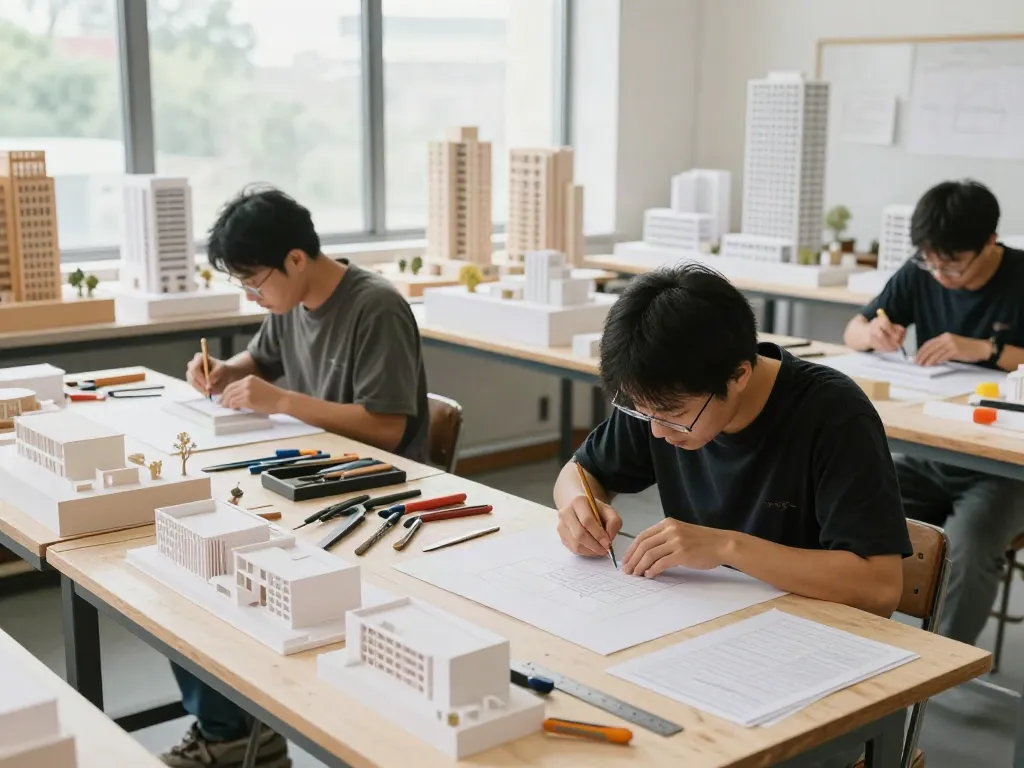
Understanding Freelance Architectural Drafting
Freelance architectural drafting is transforming the way architectural projects are executed, offering flexibility and expertise that can be tailored to client needs. As companies increasingly seek specialized skills without the commitment of hiring full-time staff, the demand for freelance architectural drafting has surged. This evolution not only meets the diverse needs of the industry but also enhances project efficiency through skilled professionals dedicated to producing high-quality designs. In this comprehensive guide, we will delve into the nuances of freelance architectural drafting, exploring its benefits, current landscape, challenges, best practices, and future predictions.
What is Freelance Architectural Drafting?
Freelance architectural drafting refers to the practice of independent drafters providing design and drafting services for architectural projects. These professionals typically work on a contract basis, collaborating with architects, designers, and builders to create detailed drawings and plans. Freelancers may utilize various software tools, including CAD programs, to produce both 2D and 3D designs that align with project specifications.
Key Skills Required for Success
To thrive in freelance architectural drafting, several key skills are essential:
- Proficiency in Software: Mastery of CAD software such as AutoCAD, ArchiCAD, and Revit is critical for producing accurate and detailed drawings.
- Attention to Detail: A keen eye for detail ensures that designs meet all specifications and regulations.
- Communication Skills: Effective communication with clients and team members is vital to understand project requirements and deliver satisfactory results.
- Project Management: The ability to manage time and prioritize tasks efficiently can significantly enhance productivity and client satisfaction.
Benefits of Hiring Freelance Drafters
There are numerous advantages to hiring freelance drafters for architectural projects:
- Cost-Effectiveness: Freelancers generally offer competitive rates compared to full-time employees, allowing companies to manage budgets effectively.
- Access to Specialized Skills: Hiring a freelancer with specific skills can enhance project quality and innovation.
- Flexibility: Freelancers can be hired on a project basis, providing the flexibility to scale resources up or down as needed.
- Fresh Perspectives: External drafters can bring new ideas and insights that enhance the project’s overall vision.
The Current Landscape of Freelance Architectural Drafting
As of 2026, the landscape of freelance architectural drafting reflects significant changes driven by technology and evolving market needs. The integration of AI and cloud-based tools has altered the dynamics of how design projects are approached.
Market Demand and Salary Insights for 2026
The demand for freelance architectural drafters is expected to continue to grow. According to industry reports, the average salary for a freelance architectural drafter in the United States is projected to be around $58,552 per year, with hourly rates varying based on experience and expertise. Junior drafters may earn approximately $25-$30 per hour, while seasoned professionals with niche skills can command rates between $70-$125 per hour, depending on the complexity of the work and the tools used.
Emerging Trends in Architectural Drafting
Several trends are shaping the future of freelance architectural drafting:
- Adoption of BIM Technologies: Building Information Modeling (BIM) is becoming a standard practice, allowing freelance drafters to create more comprehensive designs that enhance collaboration.
- Remote Work Opportunities: The COVID-19 pandemic has accelerated remote working trends, enabling drafters to collaborate from anywhere, thus broadening their client bases.
- Sustainable Design Practices: There is an increasing emphasis on sustainability in architecture, driving demand for drafters who can create eco-friendly designs.
Competitive Analysis and Industry Changes
With increasing competition in freelance architectural drafting, it's essential to stay informed of industry benchmarks and best practices. Freelancers must differentiate themselves through quality, reliability, and specialized expertise, particularly in areas like MEP modeling or 3D rendering. Companies increasingly favor drafters who can demonstrate a strong portfolio and a solid understanding of current design principles.
Challenges in Freelance Architectural Drafting
Despite its advantages, freelance architectural drafting comes with its own set of challenges, which can impact both drafters and clients.
Common Misconceptions about Freelance Services
A prevalent misconception is that freelance drafters lack the same level of commitment or quality as full-time employees. However, many freelancers are highly dedicated professionals who take pride in their work and strive to build strong relationships with clients.
Navigating Client Expectations and Communication
Clear communication is crucial in managing client expectations. Freelancers must ensure they understand project requirements thoroughly and maintain open lines of communication throughout the drafting process. Regular updates and feedback sessions can help mitigate misunderstandings and ensure the project aligns with the client’s vision.
Addressing Quality Control and Consistency Issues
One of the challenges that can arise in freelance work is maintaining consistent quality across projects. Establishing a personal quality assurance process and utilizing feedback from clients can help improve overall output and client satisfaction.
Best Practices for Effective Freelance Architectural Drafting
To thrive as a freelance architectural drafter, adopting effective practices is key to success and client satisfaction.
Utilizing Technology and Software Solutions
Investing in the latest software and tools is critical for enhancing drafting efficacy. Staying updated with the latest CAD programs, BIM technologies, and rendering tools can significantly boost productivity and quality.
Building a Strong Portfolio to Attract Clients
A compelling portfolio is essential for attracting clients in the competitive freelance market. Drafters should showcase a diverse range of projects, highlighting their design versatility and expertise.
Establishing Effective Freelance Contracts and Agreements
Drafting clear contracts is crucial to protecting both parties involved in freelance work. Contracts should outline project scope, deadlines, payment terms, and revision policies to prevent disputes and ensure smooth collaboration.
Future Predictions for Freelance Architectural Drafting
Looking ahead, several factors will influence the future of freelance architectural drafting.
How AI and Automation Will Shape the Industry
AI and automation technologies are anticipated to revolutionize the drafting process, streamlining workflows while ensuring accurate designs. Freelancers who embrace these technologies will likely enhance efficiency and reduce labor costs.
Preparation for Future Challenges and Opportunities
Freelancers will need to remain adaptable to changing market conditions. Continuous professional development and staying informed about industry trends will be essential for sustained success.
Continuous Learning and Professional Development Strategies
To remain competitive, freelance architectural drafters are encouraged to engage in lifelong learning. Attending workshops, online courses, and industry conferences can provide valuable insights and keep skills sharp.
What is the average rate for freelance architectural drafters?
The average rate varies based on skill level, experience, and project complexity, typically ranging from $25 to $125 per hour.
How can I improve my freelance drafting skills?
Improving drafting skills can be achieved through hands-on practice, seeking feedback from peers, and keeping abreast of emerging technologies in the field.
What software should freelance architectural drafters use?
Common software includes AutoCAD, Revit, ArchiCAD, and SketchUp, each serving different aspects of architectural drafting and design.
What are the most common challenges faced by freelance drafters?
Common challenges include managing client expectations, ensuring consistent quality, and navigating the competitive landscape of freelance work.
How can I find clients for freelance architectural drafting services?
Networking, leveraging online platforms such as Upwork or Freelancer, and showcasing work through professional portfolios can help attract clients.