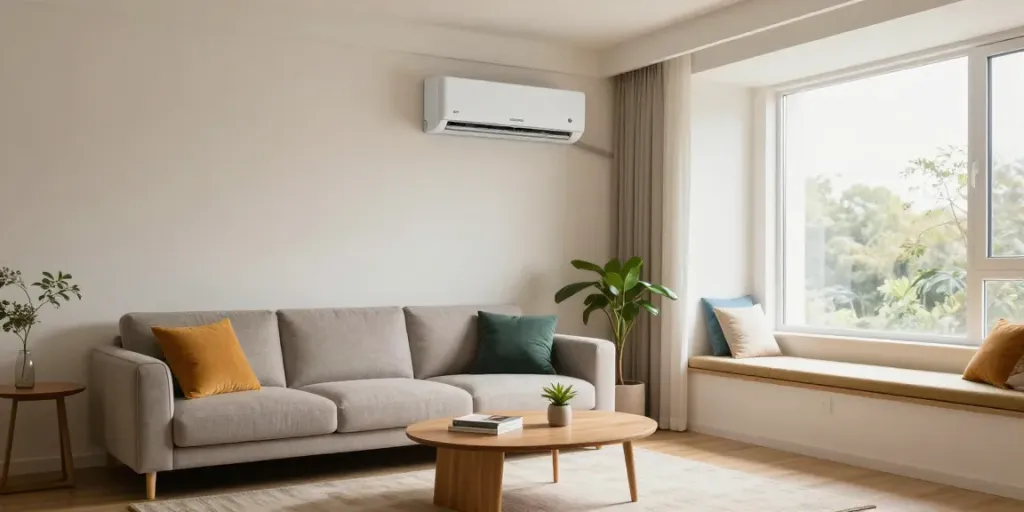
Understanding Mini Split AC Systems
As energy efficiency and personal comfort become key priorities for homeowners, the demand for innovative cooling solutions has risen significantly. Among these, the mini split ac system stands out, offering unique advantages over traditional air conditioning units. This article delves into the essentials of mini split air conditioning systems, including their components, benefits, and installation best practices, enabling you to make informed decisions for your home comfort needs.
What is a Mini Split AC?
A mini split AC is a type of air conditioning system that consists of an outdoor compressor unit and one or more indoor air handling units. Unlike traditional HVAC systems, mini splits do not require ductwork, making them an increasingly popular choice for cooling single rooms or specific areas in larger homes. They operate efficiently, providing both heating and cooling capabilities, which can significantly enhance indoor comfort.
Components of Mini Split Systems
Mini split systems consist of several key components:
- Outdoor Unit: This unit houses the compressor and is responsible for releasing heat absorbed from the indoor air.
- Indoor Unit: Installed in the living space, this unit blows cool air into the room. Multiple indoor units can be connected to a single outdoor unit for zoned cooling.
- Refrigerant Lines: These lines transport refrigerant between the indoor and outdoor units, facilitating heat exchange.
- Drain Line: This line removes condensation that forms during the cooling process.
Benefits of Choosing Mini Split AC
Mini split AC systems offer several advantages that cater to modern homeowners:
- Energy Efficiency: With high SEER (Seasonal Energy Efficiency Ratio) ratings, mini split systems typically consume less energy compared to traditional HVAC systems.
- Flexibility: The ability to install multiple indoor units allows for individualized temperature control in different areas, maximizing comfort.
- Space-Saving Design: Mini splits are compact and can be installed in locations where traditional systems would be impractical, such as apartments or homes with limited space.
- Reduced Noise: Mini splits are recognized for their quieter operation compared to window units, enhancing the indoor living experience.
Installation Best Practices
Installing a mini split system can be a rewarding DIY project if approached thoughtfully. However, proper installation is crucial for optimal performance and efficiency.
Preparing Your Home for Installation
Before installation, assess your home’s layout to determine the best locations for the indoor units. Consider factors such as:
- Distance from the outdoor unit
- Proximity to power sources
- Accessibility for maintenance
Ensuring that the installation area is free of obstructions will facilitate proper airflow and performance.
Common Installation Mistakes to Avoid
Here are key mistakes to watch for during installation:
- Improper sizing of the indoor and outdoor units, which can lead to inadequate cooling or heating.
- Neglecting to create a proper slope on the drain line, which can cause water to pool and lead to mold growth.
- Failing to adequately insulate refrigerant lines, resulting in energy loss and decreased efficiency.
Step-by-Step Installation Guide for DIY Enthusiasts
If you're keen on installing a mini split system yourself, follow these steps:
- Select the Right System: Choose a mini split system that suits your home’s size and cooling needs.
- Gather Tools: You’ll need a drill, level, stud finder, wrenches, and other basic tools.
- Mount the Indoor Unit: Secure the mounting bracket to the wall, ensuring it is level.
- Connect Refrigerant Lines: Carefully connect the refrigerant lines and ensure they are leak-free.
- Install the Outdoor Unit: Place the outdoor unit on a solid base, ensuring it is level and free from debris.
- Power Up: Once all connections are secure, connect the power supply and test the system.
Energy Efficiency and Savings
One of the primary reasons homeowners opt for mini split AC systems is their energy efficiency, which can lead to substantial savings on utility bills.
How Mini Split AC Saves Energy
Mini split systems utilize advanced inverter technology that adjusts the compressor’s speed based on the room’s cooling demand. This flexibility minimizes energy consumption by eliminating the need to frequently turn the compressor on and off.
Comparative Analysis: Mini Split vs. Traditional HVAC
When comparing mini splits to traditional HVAC systems, several factors highlight the former's superiority:
- Energy Consumption: Mini splits generally have higher SEER ratings, indicating superior energy efficiency.
- Installation Costs: While the upfront cost may be higher for mini splits, the absence of ductwork and lower operational costs often result in long-term savings.
- Comfort Levels: With zoning capabilities, mini splits allow for personalized comfort in different areas, unlike traditional systems that cool entire homes uniformly.
Understanding SEER Ratings and Their Importance
SEER ratings indicate the energy efficiency of cooling systems. A higher SEER rating signifies more efficient energy use, resulting in lower energy bills. For mini split systems, a SEER rating above 16 is typically considered efficient, while ratings of 20 and above indicate top-tier energy efficiency.
Maintenance and Troubleshooting
To ensure the longevity of your mini split system, regular maintenance is crucial. By adhering to maintenance best practices, you can prevent common issues and enhance system performance.
Essential Maintenance Tips for Longevity
Here are maintenance tips to keep your mini split running smoothly:
- Clean or replace filters every month to ensure unobstructed airflow.
- Inspect the outdoor unit for debris and clean the fins to enhance cooling efficiency.
- Schedule professional maintenance annually to check refrigerant levels and ensure optimal operation.
Common Issues with Mini Split AC and Solutions
Understanding common issues can save you from costly repairs:
- Insufficient Cooling: This could be due to dirty filters or low refrigerant levels. Check filters first and consider professional help if the issue persists.
- Unusual Noises: Strange noises might indicate loose parts or debris in the outdoor unit. Inspect and tighten any loose components.
- Leaks: If you notice water pooling around the indoor unit, check the drain line for clogs or damage.
When to Call a Professional for Repairs
While DIY maintenance is beneficial, certain issues are best left to professionals. If you experience:
- Inconsistent temperatures across different zones
- Electrical issues, such as tripped circuit breakers
- Leaking refrigerant
Do not hesitate to contact an HVAC professional for diagnosis and repair.
The Future of Mini Split AC Technology
As technology evolves, mini split AC systems are expected to advance in efficiency, functionality, and eco-friendliness. Keeping abreast of these trends can help consumers make informed purchasing decisions.
Innovations in Mini Split Systems by 2026
Expect to see advancements in mini split technology such as:
- Improved energy efficiency standards as manufacturers aim to meet increasing global energy demands.
- Smart technology integration, allowing users to control settings remotely via smartphones or smart home systems.
- Increased modularity, enabling homeowners to tailor systems to unique space requirements.
Eco-Friendly Trends and Sustainability Practices
As climate change concerns rise, eco-friendly practices in HVAC systems are gaining importance. Future mini split systems are likely to utilize refrigerants with lower global warming potential (GWP) and incorporate sustainable manufacturing practices.
What Consumers Can Expect in the Coming Years
By 2026, consumers can anticipate greater emphasis on environmental responsibility in mini split AC technology. Enhanced performance combined with eco-friendly practices will drive market growth while meeting consumer demand for sustainable solutions.
What are the disadvantages of a mini split?
While mini split systems offer many benefits, they have some disadvantages, including higher initial costs compared to traditional systems and potential installation challenges for those unfamiliar with HVAC technologies.
Is a mini split AC worth it?
Investing in a mini split AC can be worthwhile, especially for those seeking energy efficiency, flexibility, and quiet operation. Long-term savings from reduced energy bills often justify the initial investment.
Why is my electric bill so high with mini split?
High electricity bills may result from incorrect sizing, poor maintenance, or inefficient usage patterns. Regular maintenance and proper usage can help mitigate these costs.
What's the average cost to install a mini split?
The average installation cost for a mini split system ranges from $2,000 to $5,000, depending on the complexity of the installation and the system's capacity. Factors such as the number of zones and the specific equipment chosen will also influence the total cost.
What size mini split AC do I need for my room?
To determine the optimal size for your mini split AC, consider the room's square footage, insulation levels, and ceiling height. A rule of thumb is to allow 20 BTUs per square foot of living space for effective cooling.