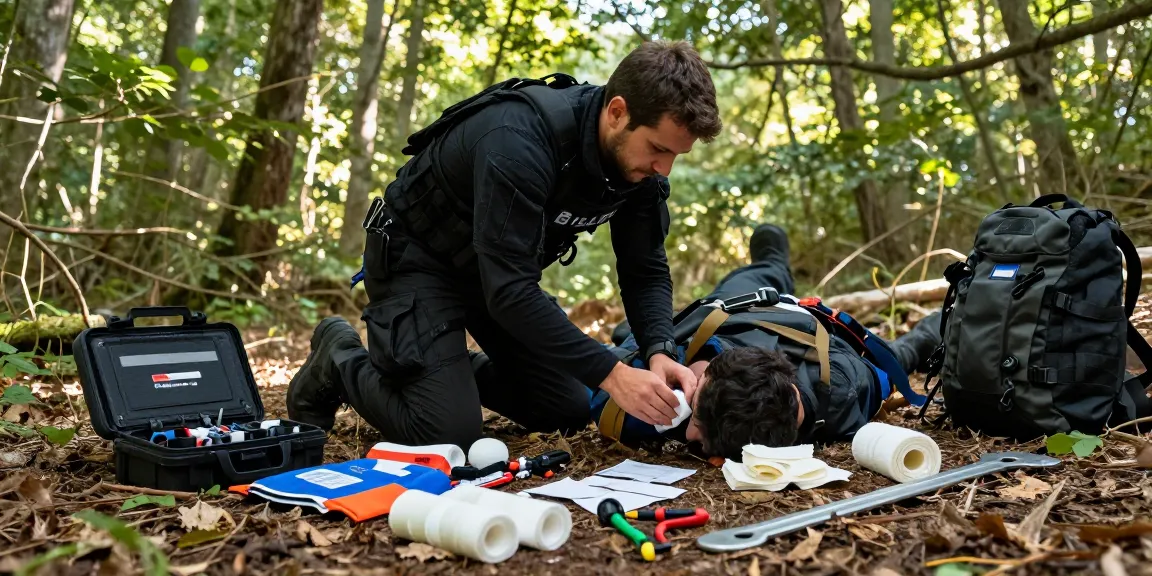
The Importance of an IFAK Trauma Kit in 2026
In 2026, the necessity for personal medical preparedness has never been more critical, especially for those engaged in high-risk professions or activities. The Individual First Aid Kit (IFAK) trauma kit has emerged as a vital resource, offering essential supplies for immediate medical response during emergencies. Understanding what constitutes an effective IFAK can significantly affect outcomes in crises, emphasizing the need for individuals to equip themselves with the appropriate gear. A well-stocked IFAK Trauma Kit encompasses a curated selection of items tailored to address specific injuries commonly encountered on the field.
Understanding IFAK Trauma Kits: Definition and Purpose
The IFAK, or Individual First Aid Kit, is a compact, easily accessible collection of medical supplies designed for immediate response to traumatic injuries. Unlike standard first aid kits, which may contain general supplies for minor injuries, an IFAK is tailored to address severe injuries such as gunshot wounds, stab wounds, and blunt force trauma. It is crucial for military personnel, law enforcement officers, and civilians engaged in outdoor activities to understand the unique capabilities and contents of an IFAK, as these kits can be life-saving tools in emergency situations.
The Role of IFAK in Emergency Preparedness for Professionals
Emergency preparedness is essential, especially for professionals operating in environments where injuries are likely. First responders, military personnel, and tactical operators benefit significantly from carrying an IFAK, as it allows them to provide immediate assistance before professional medical help arrives. The IFAK is not just a collection of supplies; it is a comprehensive solution that emphasizes rapid response and effective treatment, often making the difference between life and death.
Key Differences: IFAK Trauma Kits vs. Standard First Aid Kits
While both IFAK trauma kits and standard first aid kits aim to provide medical assistance, they differ in content, design, and intended use. Standard kits may suffice for basic injuries like cuts and scrapes, but they fall short in addressing traumatic injuries that require quick, decisive action. IFAKs are specifically designed with items such as tourniquets, hemostatic agents, and chest seals, ensuring that they are equipped for severe injuries experienced during combat or accidents. This differentiation highlights why possessing the right kit is essential for personal safety and effective emergency response.
Core Features of the FlareSyn™ SE Tactical IFAK Kit
Material Quality: Battle-Tested Durability and Performance
The FlareSyn™ SE Tactical IFAK Kit is crafted from military-grade materials, including durable, water-resistant Cordura fabric. This ensures that the kit can withstand challenging environments while keeping its contents secure and accessible. The heavy-duty zippers enhance reliability, guaranteeing that users can depend on the kit even in the most demanding conditions. Professionals in high-stakes scenarios need assurance that their gear will perform, and the FlareSyn™ kit meets these expectations head-on.
Intuitive Design: Rapid Deployment and Easy Access
Designed with professionals in mind, the FlareSyn™ SE Tactical IFAK Kit features an intuitive layout that allows for rapid deployment of medical supplies. The quick-pull system enables users to access critical items immediately, a feature that is crucial when every second counts. This design ethos ensures that even under stress, individuals can effectively utilize the kit without fumbling or confusion, making it an indispensable tool for any emergency responder.
Comprehensive Loadout: Essential Items Included in the Kit
The FlareSyn™ SE Tactical IFAK Kit is renowned for its comprehensive loadout, which includes a variety of essential medical supplies tailored for trauma care:
- FlareSyn™ Advanced Emergency Wound Closure Kit
- FlareSyn™ Metal Windlass Tourniquet for Tactical & EDC
- FlareSyn™ Emergency Trauma Compression Bandage (4″/6″)
- FlareSyn™ Stitch-Free Zip Wound Closure Strips (6-Pack)
- FlareSyn™ Emergency Rolled Splint Kit (4-Size Pack)
This thorough selection ensures that users are fully prepared to address a range of traumatic injuries effectively, showcasing the IFAK’s role as not just a kit, but a critical component of personal safety.
Best Practices for Using Your IFAK Trauma Kit
Step-by-Step: How to Effectively Use Each Component
To maximize the effectiveness of the IFAK, users should familiarize themselves with each component and practice applying them in various scenarios. Regular training on how to use items such as the tourniquet or wound closure strips will build confidence and speed during real emergencies. Incorporating realistic drills can simulate high-pressure situations, helping users to remain calm and effective when it truly counts.
Maintenance: Regular Checks and Refills for Optimal Readiness
Regular maintenance of an IFAK is vital for ensuring that it remains effective when needed most. Users should routinely check expiration dates on supplies like gauze and bandages, replacing any expired items promptly. Keeping track of inventory will help ensure that the IFAK is always stocked and ready for use, preventing potentially disastrous situations where critical items are missing.
Training: Importance of Familiarity with Your Kit
Understanding how to operate and utilize each component of an IFAK enhances proficiency and effectiveness during emergencies. Engaging in regular training sessions, whether through formal courses or informal practice, ensures that users can quickly and efficiently deploy the necessary supplies in a crisis. Familiarity with the kit fosters confidence, promoting a proactive approach to emergency response.
Real-World Case Studies: IFAK Effectiveness in Action
Success Stories: Lives Saved with Tactical Medical Gear
Numerous real-world instances highlight the effectiveness of IFAK kits in saving lives. For example, a recent incident involving a hunting accident saw a user swiftly apply a tourniquet and compression bandage from their FlareSyn™ IFAK to a friend who had suffered a severe leg injury. The timely intervention not only stabilized the injury but also prevented excessive blood loss until professional medical assistance arrived. Such success stories underscore the invaluable nature of well-prepared individuals equipped with the right tools.
Lessons Learned: Analyzing What Worked and What Didn’t
After reviewing various case studies, it becomes evident that the effectiveness of an IFAK often hinges on the training of the user, the quality of the kit, and the situational context. For example, some users reported struggling with accessing supplies under duress, emphasizing the need for practice in high-pressure scenarios. Learning from these experiences allows for continuous improvements in training and product design.
Expert Insights: Recommendations from Medical Professionals
Medical professionals consistently recommend that users not only have an IFAK but ensure they are trained in its effective use. Additionally, they suggest gradually incorporating more advanced supplies as one becomes more confident with the basics. Staying updated on the latest in trauma care and equipment can make a considerable difference in emergency response outcomes.
Future Trends in Tactical Medical Supplies for 2026 and Beyond
Innovations in IFAK Design and Technology
The future of IFAK design and technology is promising, with an emphasis on integrating smart materials and digital solutions. Enhanced durability, real-time inventory tracking, and even GPS-enabled components for locating lost kits are just a few advancements on the horizon. These innovations aim to streamline emergency responses and improve outcomes in critical situations.
The Role of Telemedicine in Tactical Response
Telemedicine is increasingly becoming a component of emergency response, providing immediate expert assistance through digital communication. In future scenarios, IFAK users may have the capability to connect with medical professionals instantly while applying their gear, receiving live guidance on treatment protocols in real-time. This integration of technology could drastically improve survival rates for traumatic injuries.
Preparing for Emerging Threats: Evolving Needs in Emergency Care
As new threats emerge globally, the requirements for IFAK contents will evolve. Users must stay informed about the types of injuries that might arise from various threats, ranging from urban violence to natural disasters. Adapting kits to include supplies for emerging threats ensures that users maintain their readiness in a rapidly changing landscape.
What Should You Look for When Buying an IFAK Trauma Kit?
When purchasing an IFAK, consider key factors such as the variety of contents, the quality of materials, and the design for rapid deployment. Look for kits that are compliant with medical standards, ensuring that they meet rigorous protocols. Additionally, ensure that the kit is lightweight and compact, maximizing portability without sacrificing essential supplies.
How to Choose the Right IFAK for Your Needs?
Selecting the right IFAK involves assessing personal or professional needs. For instance, a law enforcement officer may require different supplies than an outdoor enthusiast. Evaluate scenarios in which the kit will be used and ensure it contains tailored items that meet those potential emergency situations. Additionally, consider the experience level of the user, opting for kits that offer a robust selection without overwhelming beginners.
Why is Regular Training Important for IFAK Users?
Regular training is crucial for IFAK users to ensure they can utilize their kits effectively under pressure. Knowledge of how to apply each supply, coupled with practice in real-life scenarios, builds muscle memory and confidence. As medical protocols evolve, continuous education keeps users informed and prepared for emerging best practices.
How Can One Improve Their IFAK Handling Skills?
To enhance IFAK handling skills, consider participating in first aid courses that focus on trauma care. Engaging with hands-on training scenarios will help solidify knowledge and develop proficiency. Joining local community preparedness groups can also provide opportunities for practice and collaboration, fostering a network of support among like-minded individuals.
What Makes IFAK Trauma Kits Different from Traditional Kits?
Unlike traditional first aid kits that are designed for less critical situations, IFAK trauma kits are explicitly designed for rapid response to severe injuries. Their specialized contents and focus on emergency trauma care set them apart, making them an essential part of every tactical responder’s toolkit. Understanding this difference reinforces the importance of not just owning an IFAK but knowing when and how to use it effectively.