Understanding Industrial Generator Solutions
In an era where power is paramount to industrial operations, understanding the various industrial generator solutions available is crucial for businesses aiming to maintain efficiency and reliability. From mining operations to manufacturing facilities, generators play a vital role in ensuring continuous power supply during outages or when the demand exceeds the capacity of the local grid. This article delves into the definition, importance, and intricacies of industrial generator solutions, providing a roadmap for industries to navigate their specific power generation needs.
What Are Industrial Generators?
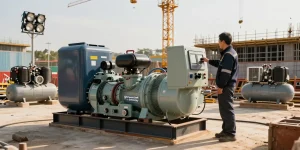
Industrial generators are robust machinery designed to produce electricity for large-scale applications. They come in various types, including diesel, gas, and renewable energy systems, tailored to specific industrial requirements. These generators are not only capable of providing backup power but also serve as primary sources of electricity in remote locations where grid access is limited. The complexity of industrial generators lies in their components, which include engine systems, alternators, control panels, and fuel systems, making them essential for any large-scale industrial operation.
The Importance of Power in Industry
Power availability is critical to the success of any industrial enterprise. Downtime due to power outages can result in substantial financial losses, disruptions in supply chains, and diminished productivity. Industries such as oil and gas, construction, and manufacturing rely heavily on a consistent power supply for machinery, tools, and lighting. Therefore, having reliable industrial generator solutions ensures that operations can continue uninterrupted, enhancing overall productivity and profitability.
Key Components of Generator Solutions
The effectiveness of industrial generators stems from their key components, which include:
- Engine: The heart of the generator, responsible for converting fuel into mechanical energy.
- Alternator: Converts mechanical energy into electrical energy.
- Control Panel: Manages the generator’s functions and monitors performance.
- Fuel System: Supplies the necessary fuel, usually diesel or gas, to the engine.
- Cooling System: Maintains optimal operating temperatures to prevent overheating.
Each of these components must work synchronously to produce reliable power, highlighting the need for high-quality generator sets designed to meet industry demands.
Types of Industrial Generator Solutions
Understanding the types of industrial generator solutions available allows businesses to select the most appropriate option for their needs. The choice often comes down to factors such as fuel type, application, and environmental considerations.
Diesel vs. Gas Generators
Diesel generators are known for their durability and efficiency, making them a preferred choice for many industrial applications. They provide significant power output and are particularly effective for long-term use. On the other hand, gas generators are often chosen for their lower emissions and reduced operating costs. Industries aiming for sustainability initiatives may lean towards gas generators, especially where environmental regulations are increasingly stringent.
Portable Generators for Various Applications
Portable generators offer flexibility for industries requiring temporary power solutions. They are ideal for construction sites, events, and emergencies where power access is limited. While they typically provide less power than stationary units, their mobility allows for quick deployment and can meet immediate needs effectively.
Renewable Energy Integration
As industries pursue greener alternatives, integrating renewable energy sources with traditional generators emerges as a viable solution. Hybrid systems combining solar power with diesel or gas generators can significantly reduce fuel consumption and emissions. This approach not only contributes to sustainability goals but can also lead to cost savings in the long run.
Customizing Your Generator Solutions
To fully leverage industrial generator solutions, companies must customize their systems based on specific operational needs and environmental conditions. This tailored approach ensures optimal performance and efficiency.
Assessing Power Needs for Different Industries
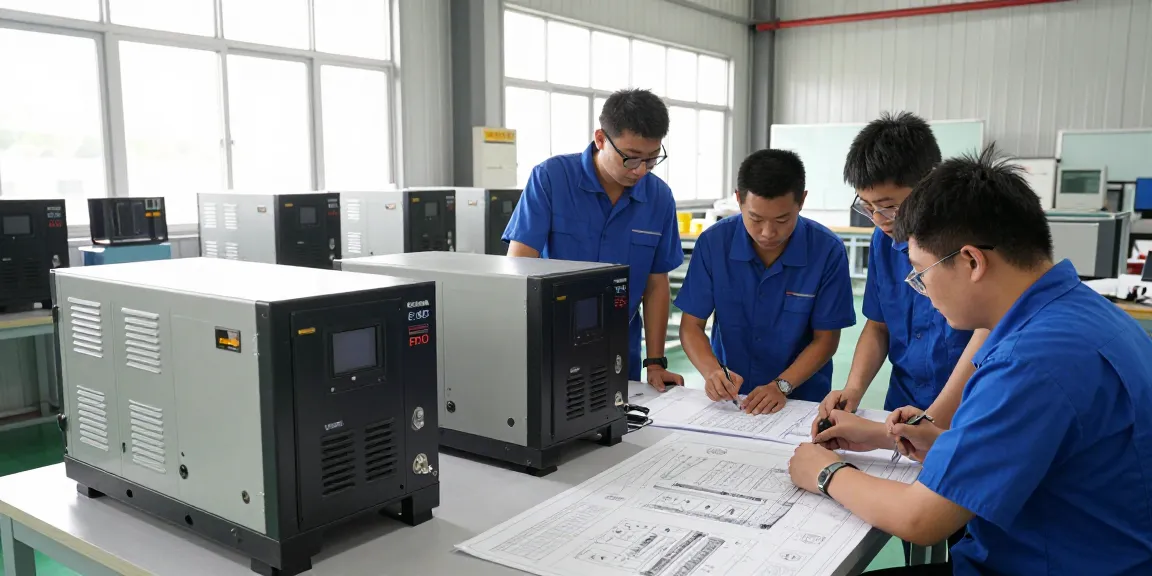
Each industry has unique power requirements depending on the machinery used, operational hours, and the number of employees. Conducting a thorough power assessment can help determine the right generator size and capacity. For example, an industrial bakery might need a different setup than a metal fabrication shop, emphasizing the need for tailored solutions.
Environmental Considerations and Compliance
Regulatory compliance is a growing concern for industries reliant on power generation. Many regions have introduced stringent emissions standards, necessitating the use of generators that meet these criteria. Businesses should consult with manufacturers to ensure their generators are compliant and equipped with advanced filtration systems to minimize environmental impact.
Tailored Solutions Based on Location
The geographical location of an industry significantly influences the type of generator solution needed. Factors such as temperature, humidity, and air quality can affect generator performance and efficiency. Customized configurations that consider these variables lead to enhanced operation and longer equipment lifespan.
Best Practices for Implementing Generator Solutions
Successful implementation of industrial generator solutions requires adherence to best practices that ensure operational efficiency and reliability. Below are some essential guidelines.
Installation Guidelines for Optimal Performance
Proper installation of industrial generators is critical to their performance. Following manufacturer guidelines, ensuring adequate ventilation, and scheduling regular inspections can prevent common operational issues. Additionally, positioning generators away from potential hazards, like flooding zones, is essential for safety and longevity.
Regular Maintenance and Inspection Protocols
Routine maintenance is vital for keeping generator systems in peak condition. This includes checking fluid levels, replacing filters, and conducting load tests to ensure the generator operates under optimal conditions. Implementing a regular maintenance schedule helps identify potential issues before they escalate, minimizing downtime and repair costs.
Understanding Fuel Management Strategies
Managing fuel effectively is essential for maximizing generator performance. Industries must ensure an adequate fuel supply and consider implementing fuel quality monitoring systems to prevent contamination. Regular audits of fuel consumption can lead to more efficient operations and cost savings.
Future Trends in Industrial Generator Solutions
As the landscape of industrial power generation evolves, certain trends are emerging that will shape the future of industrial generator solutions.
Embracing Smart Technology in Generators
The integration of smart technology into industrial generators is becoming increasingly common. Features such as remote monitoring, predictive maintenance alerts, and automated controls allow businesses to manage their power resources more efficiently. By harnessing data analytics, firms can optimize generator performance and anticipate maintenance needs.
Advancements Towards Sustainable Power Generation
The push for sustainability continues to drive innovation in the generator industry. Advancements in carbon capture technology, more efficient power systems, and the development of biogas generators are some of the pathways being explored. These innovations contribute to reducing the carbon footprint of industrial operations, aligning with global sustainability goals.
Emerging Markets and Opportunities in 2026
The industrial generator market is expected to grow significantly through 2026, driven by demand in emerging economies and advancements in technology. Industries in developing regions are increasingly recognizing the importance of reliable power solutions, creating opportunities for manufacturers to expand their footprint and cater to diverse needs.
Conclusion
In summary, understanding industrial generator solutions is essential for industries that rely on continuous power for their operations. By exploring the various types, customizing solutions based on specific needs, and adhering to best practices for implementation and maintenance, businesses can ensure they are well-equipped to navigate the complexities of industrial power generation. Furthermore, staying abreast of future trends will enable companies to adapt and thrive in an ever-evolving landscape.