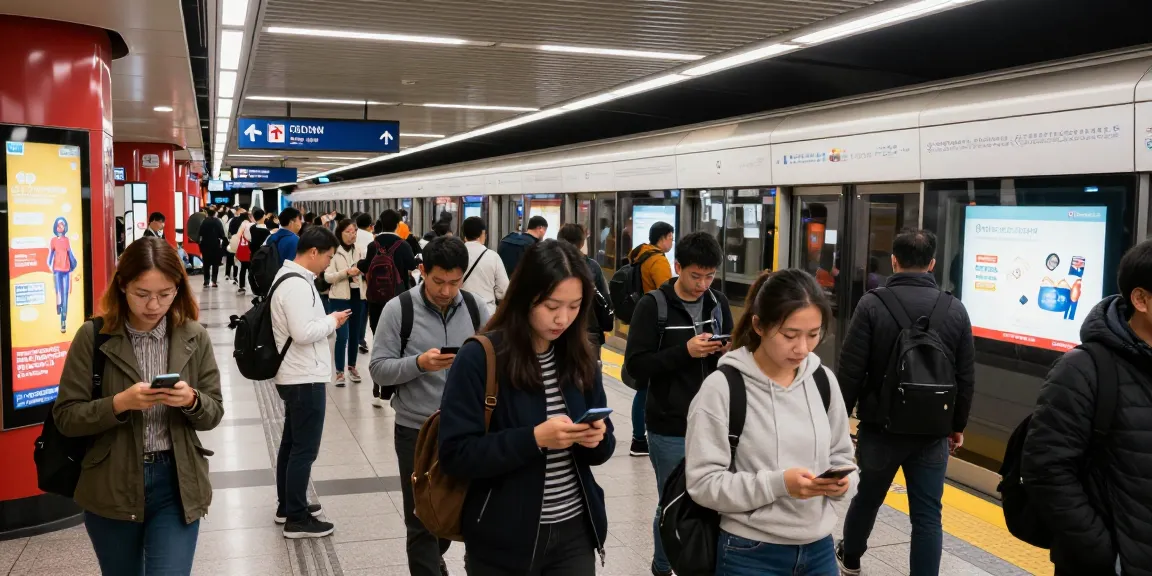
Understanding Subway Service Alerts
Subway service alerts are critical notifications issued by transit agencies to inform passengers about changes in subway operations. Such alterations can stem from various factors, including maintenance work, accidents, or unexpected delays. These alerts provide riders with real-time information about service disruptions, enabling them to adjust their travel plans accordingly. When exploring options, subway service alerts offer comprehensive insights into the current status of subway lines across different cities, enhancing overall commuter experience.
What Are Subway Service Alerts?
Subway service alerts can be defined as timely messages that notify passengers about conditions affecting the subway system. This could include information about delayed trains, service suspension, or rerouted services due to ongoing construction or emergencies. Alerts are delivered through multiple channels, including mobile apps, websites, social media, and station displays, ensuring that riders receive essential updates wherever they are.
The Importance of Real-Time Information
Real-time information is vital for urban commuters who rely on public transportation to navigate busy city streets. It plays a crucial role in minimizing wait times and optimizing travel plans. With accurate subway service alerts, commuters can effectively manage their schedules, avoid overcrowded trains, and make informed decisions about alternative routes when necessary. In fast-paced urban environments, the ability to react quickly to changing conditions can significantly improve the commuting experience.
Technological Framework Behind Alerts
The backbone of subway service alerts is the GTFS-Realtime (General Transit Feed Specification), an open standard that allows transit agencies to share real-time data. This technology enables agencies to publish updates that are automatically pulled into various platforms for public consumption. With trip updates, vehicle positions, and service alerts transmitted every 30 seconds, riders are kept informed about conditions on the ground. Integrating GTFS-RT with static schedule data ensures continuity of information, even during lapses in real-time feeds, maintaining accuracy and reliability for commuters.
How Subway Service Alerts Improve Commuter Experience
Subway service alerts significantly enhance the commuter experience by providing necessary information that helps riders navigate their journey effectively. The real-time updates allow for more reliable travel planning, reducing stress and making public transportation a more appealing option for daily commuters.
Significance of Timely Updates
The significance of timely updates cannot be overstated. When an alert is issued, it can drastically change the way passengers plan their commutes. For instance, if a train line is experiencing delays, passengers can opt for a different line or mode of transport. This ability to make informed decisions is especially critical during rush hours when every minute counts.
Impact on Daily Commuting Decisions
Real-time alerts can impact daily commuting decisions in several ways. They help riders choose the best route based on current conditions, decide whether to wait for a delayed train or seek alternate transportation, and adjust their plans to avoid last-minute rushes. Consequently, commuters experience less frustration and more control over their travel, leading to a higher satisfaction rate with public transportation systems.
Real-World Examples of Effective Alerts
Practically every large transit system has some form of real-time alert system in place. For example, the Metropolitan Transportation Authority (MTA) in New York City has developed a robust alert system that notifies riders about service changes via its app and website. Similarly, agencies like London Underground use their official Twitter account to broadcast service alerts. These systems not only inform current riders but also educate new users about the importance of keeping up-to-date with live alerts.
Challenges in Implementing Service Alerts
Despite the clear benefits, there are challenges associated with the implementation and maintenance of effective subway service alerts. Addressing these challenges is crucial for improving the overall reliability and usability of transit systems.
Common Misconceptions About Real-Time Data
A common misconception about real-time data is that it is always 100% accurate and timely. While technology has come a long way in providing immediate updates, there are times when scheduled maintenance or technical glitches can delay notifications. Misunderstanding this can lead to frustration when passengers do not receive the timely information they expect.
Technical Limitations and Solutions
Technical limitations pose another challenge for effective alert systems. Issues such as software failures, data overload during peak times, or challenges in data integration can hinder the information flow. Transit agencies continuously work on improving their infrastructure to mitigate these problems, employing solutions like cloud-based systems and robust backup protocols to ensure updates reach users without interruptions.
User Frustrations and Feedback Mechanisms
User frustrations often stem from inaccurate or delayed alerts. To combat this, transit agencies are putting more focus on feedback mechanisms. Many agencies now encourage passengers to report issues with service alerts through their websites or mobile apps. This feedback helps transit agencies identify gaps in service and improve their systems over time.
Best Practices for Utilizing Subway Service Alerts
For commuters to truly benefit from subway service alerts, understanding how to effectively use these notifications is essential. Here are some best practices to consider.
How to Check Alerts Effectively
To start, it’s beneficial for riders to familiarize themselves with the various platforms where subway service alerts are available. Mobile apps, official websites, and social media channels typically provide real-time updates. Setting up notifications for specific subway lines can also help ensure you never miss essential information.
Integrating Alerts Into Daily Routines
Integrating alerts into daily routines involves making them a part of your commuting habits. Check for updates before you leave home or work, and even consider subscribing to alerts that fit your schedule. Regularly visiting the transit agency’s website can help keep you informed about other service changes that may not be urgent but are still relevant to your travel.
Leveraging Apps for Improved Tracking
Using mobile apps with real-time updates can enhance your commuting experience. Many transit agencies offer their own apps, which provide personalized alerts based on your travel preferences. Apps that aggregate information from multiple transit agencies can also be handy, particularly in cities with interconnected systems.
The Future of Subway Service Alerts in 2026
The landscape of subway service alerts is poised to evolve significantly in the next few years. Emerging technologies and innovative practices are set to redefine how transit systems communicate with passengers.
Emerging Technologies in Transit Alerts
By 2026, we can expect to see more transit agencies adopting advanced technologies like artificial intelligence and machine learning. These technologies will help predict delays and optimize communication strategies, providing even earlier notifications for commuters. Additionally, integration with smart city infrastructure may allow subway alerts to be pushed directly to personal devices as commuters approach stations.
Predictions for Enhanced User Experience
With the anticipated technological advancements, the user experience is likely to improve dramatically. Expect a greater emphasis on personalization, where alerts are not just generic notifications but tailored to individual commuting patterns, preferences, and real-time circumstances. Picture a system that alerts you only when a specific line is delayed while providing alternative routes best suited to your travel history.
How Transit Agencies are Adapting
Transit agencies are already beginning to adapt to these changes by investing in better data analytics and user engagement strategies. As they continue to develop robust systems that can handle increased passenger volumes and greater complexity, we can expect subway service alerts to become an integral part of urban living, ensuring that commuters receive the real-time information they need to navigate their journeys efficiently.
What are subway service alerts?
Subway service alerts are notifications issued by transit agencies to inform passengers of changes in service, such as delays or cancellations. They play a vital role in keeping commuters informed about the status of their trains and overall service conditions.
How often are alerts updated?
Alerts are typically updated every 30 seconds to ensure real-time accuracy. However, some factors can influence this frequency, including technical limitations or high traffic periods, which can affect how quickly updates are disseminated.
Why are real-time alerts important during rush hour?
During rush hours, the demand for accurate, timely information intensifies. Real-time alerts help passengers make swift decisions about their routes, potentially avoiding prolonged wait times and overcrowded trains, which is crucial in a high-volume commuting environment.
How to report issues with service alerts?
To report issues with service alerts, commuters should utilize the designated feedback channels provided by their transit agency, such as official websites or mobile apps. Reporting mechanisms often allow users to highlight inaccuracies or delays, which transit agencies use to enhance their services.
What should I do if the alerts are inaccurate?
If you encounter inaccurate alerts, it is advisable to report them to the transit agency immediately. Furthermore, checking multiple sources for information can help verify the status of the service during your commute.